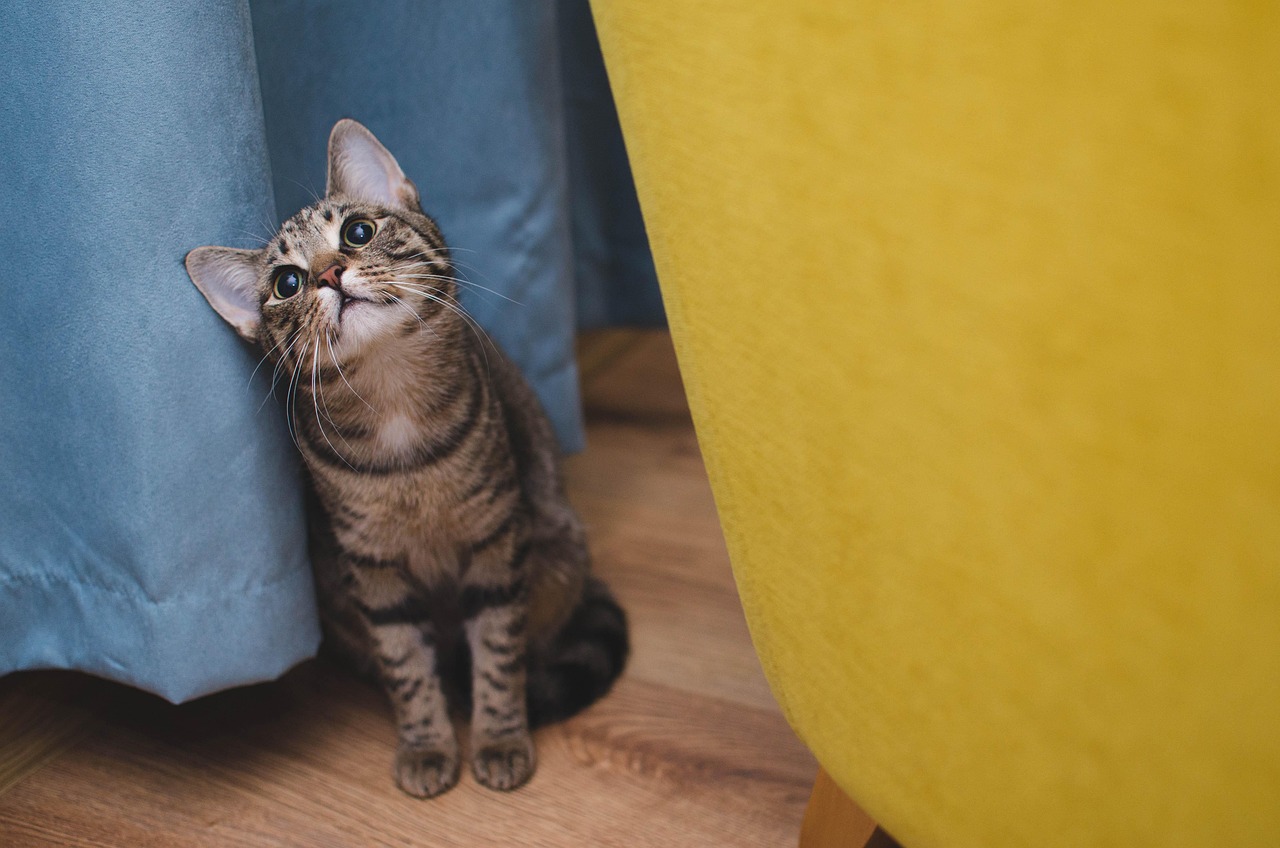
In-home pet sitting has become an increasingly popular service, especially in bustling urban areas like San Antonio. As pet owners seek reliable and comfortable alternatives to traditional boarding, understanding what to expect during the initial visit is crucial. This article delves into the intricacies of cat sitting, or more broadly, in-home pet sitting, providing a comprehensive guide for both pet owners and prospective pet sitters. We’ll explore the benefits, potential challenges, and best practices to ensure a smooth and rewarding experience for both pets and their guardians.
Understanding In-Home Pet Sitting in San Antonio
In-home pet sitting in San Antonio offers a personalized and stress-free solution for pet owners seeking reliable care while they’re away. Unlike traditional boarding facilities, in-home pet sitting allows pets to remain in a familiar, comfortable environment. This can be especially beneficial for elderly pets or those with separation anxiety. Cat sitting, a niche but growing service in the city, caters to the unique needs of felines, ensuring they receive the attention and care they deserve while their owners are away.
San Antonio’s vibrant pet community, with its diverse range of pets and unique care requirements, demands a nuanced approach to in-home pet sitting. Professional pet sitters in the city are trained to handle various tasks, from feeding and playtime to more specialized needs like medication administration. During the first visit, pet owners should expect a thorough consultation where the sitter assesses their pet’s routine, behavior, and any specific needs, including medication schedules. This setup allows for personalized care plans tailored to each pet’s distinct personality and health profile, ensuring their well-being while fostering a bond with a trusted caregiver.
Drop-in visits are another valuable service offered by many San Antonio pet sitters. These brief check-ins provide a respite for anxious pets, allowing them to enjoy some human interaction and exercise without the full commitment of a longer stay. Pet care services can range from 1-3 visits per day, depending on the pet’s needs. For example, a dog with separation anxiety might benefit from multiple short walks and play sessions throughout the day, while a cat with a chronic medical condition might require regular medication administration during the owner’s absence. Understanding these nuances is crucial for ensuring the best possible care for San Antonio’s beloved pets.
Preparing for Your First Cat Sitting Visit
On your first cat sitting visit in San Antonio, preparation is key to ensuring a smooth and stress-free experience for both you and the pet. Before heading over, take time to gather essential information from the client. Understand their cat’s routine, including feeding schedules, meal preferences, and any specific dietary needs or restrictions. Knowing whether the cat is prone to anxiety or has particular playtime preferences allows you to tailor your approach accordingly. For instance, a more active cat might require additional stimulation during your absence while a senior pet may need extra care and attention due to age-related health considerations, potentially including administering medications or providing specialized dog walking for older cats who still enjoy outdoor exploration.
Reviewing any existing pet care instructions is crucial, as well as confirming the availability of essential supplies like food, water, litter, and beddings. This reduces the potential for confusion during your visit. Don’t hesitate to ask about their expectations regarding tasks like cleaning litter boxes or refilling water bowls; clear communication ensures everyone’s needs are met. Moreover, familiarize yourself with basic cat first aid, including recognizing signs of distress or illness, as this knowledge can be invaluable in an emergency. While professional pet sitters often have backup plans for dog walking if a client requests it, focusing on your primary role during the initial visit is crucial to building trust and ensuring the cat’s comfort.
Beyond these practical steps, fostering a positive connection with the pet goes a long way. Spend time interacting with the cat upon arrival, using treats or toys to create a friendly association. This approach can significantly reduce any potential anxiety linked to new environments or care providers. Remember, each pet is unique, so be observant during your first visit and adjust your strategies accordingly. Providing excellent pet care extends beyond routine tasks; it involves understanding individual needs, building trust, and offering comfort—a service that truly sets dedicated cat sitters apart in the competitive San Antonio market.
What to Expect During the Initial Meeting
During your initial meeting with a San Antonio pet sitting service, expect a thorough and caring assessment of your pets’ needs. This isn’t just about ensuring they have food and water; it’s about understanding their unique routines, habits, and even medical conditions. A professional cat sitter will ask detailed questions about your feline friend’s dietary requirements, preferred playtimes, and any special attention they need. For example, does your cat take medication? Do they have a particular preference for toys or hiding spots? This information allows the pet sitter to tailor their care precisely to your cat’s needs—a key advantage over generic dog walking services that may not specialize in cat sitting.
The meeting is also an opportunity for you to get a sense of the sitter’s experience and approach. Ask about their training, references, and how they handle unexpected situations. Reputable pet sitters will be happy to share certifications in areas like pet first aid or CPR, especially important when caring for seniors or pets with special needs. They should also offer reassurance regarding insurance coverage—a vital detail if any accidents or incidents occur during their visit. Don’t hesitate to inquire about their policies on dog walking and pet care for other species; a versatile sitter who’s experienced in senior pet care can be invaluable, ensuring your beloved companions receive the best possible attention while you’re away.
Ensuring a Safe and Comfortable Environment for Pets
When hosting your pet at your San Antonio home for the first time, ensuring their safety and comfort is paramount. This involves a thorough understanding of their habits, needs, and preferences, which can be especially crucial for senior pets or those with specific health considerations. Before the pet sitter arrives, prepare a detailed list of your pet’s routines, including feeding times, exercise needs, and any unique behaviors. For instance, if your cat is medicated, ensure the sitter knows how and when to administer the medication, following vet instructions precisely.
During the initial visit, a competent cat sitter will conduct a thorough inspection of your home to identify potential hazards. This is particularly important for elderly pets who may be more prone to accidents or injuries. They should also check for any signs of stress or anxiety in your pet, understanding that a change of environment can impact their well-being. For example, a sitter who offers drop-in visits 1-3 times a week can provide much-needed companionship and ensure your pet doesn’t feel isolated, a common cause of stress for pets left alone for extended periods.
Comfortable bedding, access to fresh water, and familiar toys can significantly contribute to your pet’s well-being during their stay. Additionally, providing a quiet, secure space for them to retreat to when they need a moment alone can be invaluable. This attention to detail and sensitivity to your pet’s needs demonstrates the expertise of a professional cat sitter, ensuring your furry friend enjoys a safe, comfortable, and stress-free experience in their own home.
Building Trust: Communicating with Pet Owners
Building trust is a cornerstone of successful cat sitting—and pet care more broadly—in San Antonio or any urban environment. On your first visit, communicate openly with pet owners about their unique needs and expectations for both their pets and your services. This foundation of transparency paves the way for a harmonious working relationship and ensures a positive experience for everyone involved.
Start by confirming details of the pet’s daily routine, including feeding schedules, medication regimens (if applicable), and any specific care requirements tailored to age or health conditions, such as senior pet care. Be prepared to discuss your own approach to cat sitting, highlighting your understanding of responsible pet care practices. Address drop-in visits during this conversation, clarifying the frequency and duration, ensuring both parties are comfortable with the arrangement.
Active listening is paramount. Pay close attention to the owner’s concerns, preferences, and any specific instructions. Don’t hesitate to ask questions—it demonstrates engagement and allows you to provide personalized care. For instance, if a cat has dietary restrictions or allergies, confirm your understanding and assure the owner that you’ll adhere strictly to their guidelines. Building this level of trust fosters a collaborative environment where both pets and owners feel cared for and respected.